 Contact Us
 1-800-843-8771

Hawaii Travel News July 2026 | North Shore Shuttle & Travel Tips

Podcast: Play in new window | Download
Hawaii Travel News – Quick Facts
- New $5 North Shore Huakaʻi Shuttle launches from Waikiki and Ko Olina
- Hawaiian Airlines continues integrating with Alaska Airlines
- Visitors are spending more on customized Hawaii vacations
- Reservation requirements continue expanding across the islands
- More travelers are choosing private tours and local experiences
- Rental car strategies continue evolving for Oahu visitors
Aloha and Welcome Back!
It’s been a little while since I’ve sat behind the microphone.
Several listeners have reached out over the past couple of months asking if I had stopped producing the Hawaii Vacation Connection Podcast. The answer is no—I simply needed a little break.
If I’m being honest, the Hawaii travel space has become incredibly crowded. Every time a new tourism story breaks, dozens of YouTube channels, travel blogs, influencers, and AI-generated websites seem to cover it within hours. At one point I started wondering whether there was anything left for me to add.
Then something happened.
Several longtime listeners emailed me and said something that really stuck with me.
They told me they weren’t listening because they wanted another news report. They were listening because they wanted to hear what the news actually means from someone who’s spent more than three decades helping visitors plan Hawaii vacations.
That reminded me why I started this podcast nearly 20 years ago.
I’m not a travel influencer.
I’m not trying to become a YouTube celebrity.
I’m a Hawaii travel advisor who’s spent more than 35 years helping thousands of people experience these islands. Every week I’m talking with families, honeymooners, retirees, food lovers, adventure travelers, and first-time visitors who all have different goals.
That perspective is something you simply can’t get from reading a press release.
So welcome back.
Going forward, I plan to make these monthly and weekly travel updates a regular part of the podcast again.
Let’s jump into what’s happening in Hawaii.
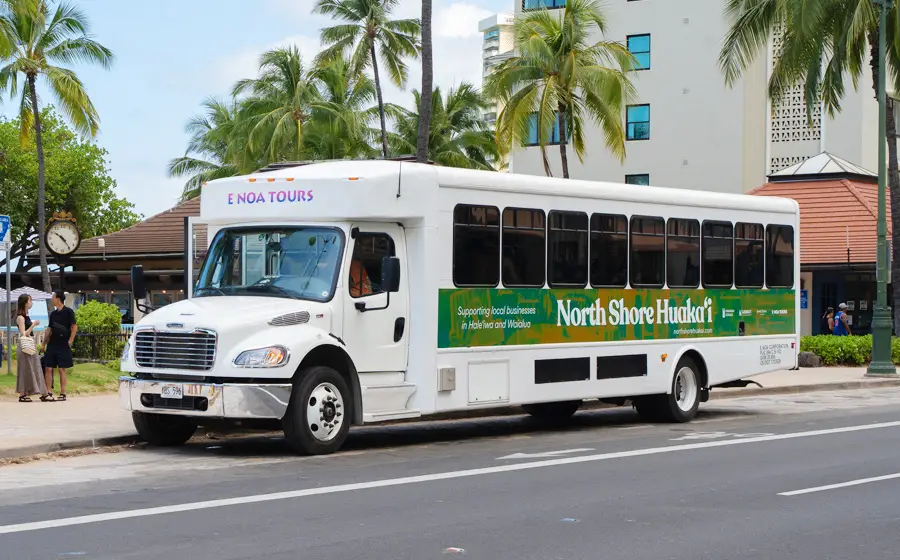
The New North Shore Shuttle Could Change the Way Visitors Explore Oahu
The biggest Hawaii travel story this month is the launch of the North Shore Huakaʻi Shuttle, a new pilot program connecting Waikiki and Ko Olina with Oahu’s famous North Shore.
On the surface, it sounds almost too good to be true.
For only $5, visitors can board a shuttle that takes them from Waikiki to selected North Shore destinations, allowing them to spend the day exploring without renting a car.
At first glance, that may sound like just another tour bus.
It isn’t.
I actually think this could become a model for how Hawaii manages tourism in the future.
Why Was the Shuttle Created?
The program was developed partly in response to the severe flooding that affected portions of Oahu’s North Shore earlier this year.
Many local businesses experienced damage or saw visitor numbers drop dramatically.
Instead of simply encouraging people to “visit the North Shore,” tourism officials created a transportation system that brings visitors directly into those communities.
That’s smart.
Helping visitors discover locally owned businesses benefits everyone.
Visitors enjoy a more authentic experience.
Local businesses receive much-needed support.
Traffic can potentially be reduced.
Is It Better Than Renting a Car?
Not necessarily.
This is where my opinion differs from some of the headlines.
If you’re staying on Oahu for a week and want complete flexibility, I still recommend renting a car for at least part of your vacation.
Having your own transportation allows you to:
- Stop at scenic lookouts
- Visit beaches when you want
- Explore hidden food spots
- Change plans if weather changes
- Spend as much time as you’d like at each destination
The shuttle operates on a schedule.
Your rental car operates on your schedule.
Those are two very different experiences.
But I Think This Is the Future
Where I get excited is the bigger picture.
I’ve been saying for years that Hawaii needs better transportation options for visitors.
Imagine similar shuttle systems operating:
- Road to Hana on Maui
- Windward Oahu
- Kauai’s North Shore
- Hawaii Volcanoes National Park
Fewer rental cars.
Less traffic.
Less parking frustration.
A better experience for visitors.
A better quality of life for residents.
Everybody wins.
One Thing I’d Like to See
If I could change one aspect of this Hawaii Travel program, it would be rotating the participating businesses.
Right now, the shuttle stops at selected locations.
That’s understandable for a pilot program.
But over time I’d love to see different restaurants, shops, galleries, and local businesses included so the economic benefits are shared throughout the community.
That would make an already good program even better.

Hawaiian Airlines and Alaska Airlines: What Travelers Need to Know
Another topic that has generated plenty of headlines about Hawaii Travel —and even more questions from our clients—is the ongoing integration between Hawaiian Airlines and Alaska Airlines.
Ever since Alaska Airlines announced it was acquiring Hawaiian Airlines, people have been asking me the same question:
“Is Hawaiian Airlines going away?”
The short answer is no.
But that doesn’t mean things aren’t changing.
As with any major airline merger, there’s a tremendous amount happening behind the scenes. Reservation systems are being combined, employee groups are being integrated, loyalty programs are evolving, and operational procedures are changing. While most travelers never see those details, they often notice the results.
One of the biggest changes passengers have already experienced is the evolution of onboard service. Hawaiian Airlines built a loyal following over the years because flying with them felt like your Hawaii vacation began the moment you stepped onto the aircraft. The island-inspired service, friendly crews, and complimentary meals on many mainland routes became part of the experience.
Today, that experience is changing. Complimentary meals on many economy routes have been replaced with paid meal options, and some travelers have understandably been disappointed.
Does that mean Hawaiian Airlines is suddenly a bad airline?
Not at all.
It simply means the airline is evolving as part of a much larger organization.
Change Always Creates Uncertainty
I’ve watched airlines merge for decades.
Every merger creates concerns from employees, travelers, and industry experts. There are questions about routes, staffing, pricing, loyalty programs, and customer service. That’s perfectly normal.
The Hawaiian-Alaska merger is no different.
There have been reports of labor negotiations, technology challenges, and operational growing pains. Those issues are common whenever two large airlines attempt to combine systems that have operated independently for years.
From the travel advisor side of things, I tell clients not to overreact to every headline.
Most vacations are going to proceed exactly as planned.
What matters most is understanding the changes before you travel and knowing what to expect at the airport and onboard.
Competition Still Matters
One Hawaii Travel issue worth watching over the next few years is airline competition.
For many Hawaii routes, travelers now have fewer major carriers competing directly for business than they did years ago.
Competition generally benefits consumers. More airlines usually mean more fare sales, more schedule choices, and greater flexibility.
While Southwest Airlines continues serving Hawaii, many travelers still prefer Hawaiian Airlines because of its schedule, service, or island connections.
As the airline industry continues to evolve, it’ll be interesting to see whether additional carriers expand service to Hawaii or whether existing airlines increase capacity.
For travelers, more competition almost always means better choices.
Visitors Are Spending More—But They’re Spending Differently
Another recent tourism report caught my attention because it lines up almost perfectly with what we’re seeing every day at Hawaii Aloha Travel.
Recent data shows that while visitor numbers have fluctuated, visitor spending continues to increase.
Some people interpret that to mean Hawaii has simply become more expensive.
There’s certainly some truth to that.
Hotels cost more.
Activities cost more.
Rental cars have increased.
Restaurant prices have climbed.
But I think there’s another reason visitors are spending more.
They’re choosing different kinds of vacations.
Today’s Travelers Want Experiences
When I first started planning Hawaii vacations decades ago, many visitors focused primarily on checking off attractions.
Visit Pearl Harbor.
Drive to Hana.
Watch a luau.
Take a helicopter tour.
Done.
Today’s travelers are asking much different questions.
They’re looking for authentic experiences.
Instead of asking, “What’s the most popular restaurant?” they’ll ask, “Where do local families eat?”
Instead of wanting to spend every day on a tour bus, they want to explore at their own pace.
Many families are even building their vacations around a shared passion.
Recently I worked with a family that described themselves as serious food lovers.
Rather than filling every day with sightseeing, we built an itinerary centered around Hawaii’s incredible food scene—local restaurants, hidden neighborhood favorites, farmers markets, bakeries, and places most visitors would never discover on their own.
That’s the fun part of my job.
No two vacations should look exactly alike.
Private Guides Continue Growing in Popularity
One trend I’ve definitely noticed over the last few years is the increasing demand for private guides.
Visitors want someone who knows the islands—not just someone following a script.
Private tours allow travelers to slow down, ask questions, stop where they want, and experience Hawaii through the eyes of someone who actually lives here.
It’s a very different experience from sitting on a large motorcoach with fifty other people.
If your budget allows it, I think it’s one of the best investments you can make.
The memories often end up being worth far more than another souvenir.
The Biggest Mistake I See Visitors Make Every Week
If I had to choose one mistake that disappoints more Hawaii visitors than anything else, it’s this:
They assume they can simply show up.
Years ago, that was often true.
You could wake up, decide to hike Diamond Head, spend the afternoon at Hanauma Bay, or drive over to Pearl Harbor without much planning.
Those days are largely gone.
As Hawaii has become more popular and state agencies work to better manage visitor numbers, many of the islands’ most popular attractions now require advance reservations. Yet every week I still talk to travelers who arrive expecting to buy a ticket at the gate.
Unfortunately, many of them end up disappointed.

Attractions That Require Advance Reservations
If you’re planning a Hawaii vacation, don’t wait until you arrive to book these experiences.
Some of the most popular attractions now require reservations well in advance, including:
- Pearl Harbor’s USS Arizona Memorial
- Diamond Head State Monument
- Hanauma Bay Nature Preserve
- Waiʻānapanapa State Park (Black Sand Beach) on Maui
- Hāʻena State Park and Keʻe Beach on Kauai
During holidays and school breaks, reservations can disappear weeks—or even months—in advance.
That’s why one of the first things we do for our clients is build an itinerary around reservation dates instead of hoping everything works out after they land.
A little planning can save a lot of frustration.
Beware of Third-Party Booking Websites
Another problem I continue seeing is visitors accidentally booking through unofficial websites.
This happens all the time.
Someone searches Google for “Pearl Harbor tickets” and clicks the first result they see.
Many times, they don’t end up on the official reservation site.
Instead, they’ve purchased a bus tour or paid unnecessary service fees through a third-party company.
The same thing happens with hotels.
Some booking sites are designed to look like the hotel’s official website, even though they’re actually online travel agencies.
There’s nothing wrong with using a reputable travel advisor or trusted booking company, but you should always know exactly who you’re booking with.
If you’re booking attractions yourself, take a few extra minutes to make sure you’re using the official reservation system.
Diamond Head or Makapuʻu? Here’s My Recommendation
People are often surprised when I tell them this, but if you ask me which hike I’d recommend for most first-time visitors to Oahu, I usually don’t say Diamond Head.
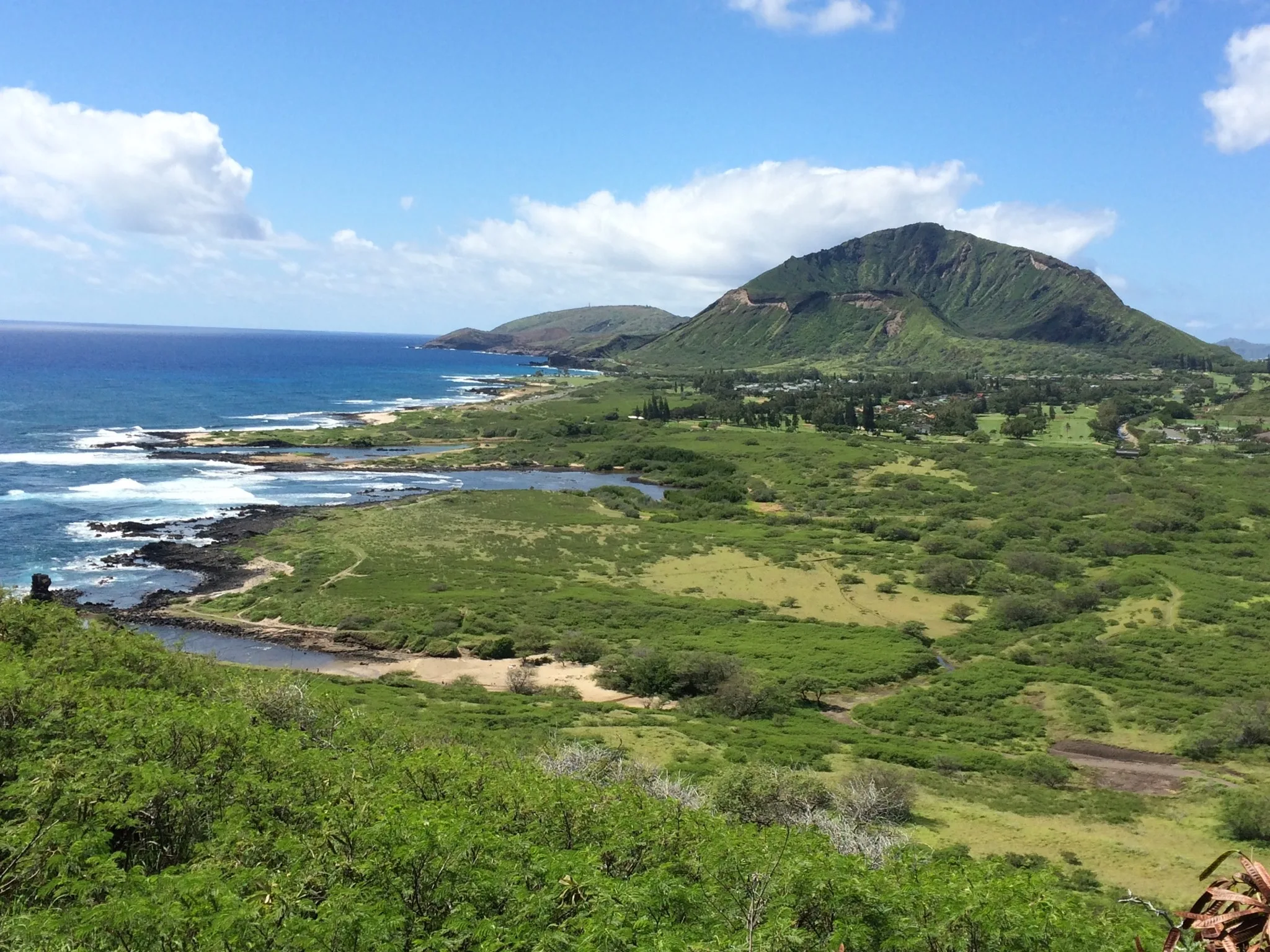
I say Makapuʻu Lighthouse Trail.
Now don’t get me wrong—Diamond Head is iconic. It’s one of Hawaii’s most recognizable landmarks, and for many visitors it’s something they’ve dreamed about doing for years.
But if you’re simply looking for the best hike with incredible views, I think Makapuʻu offers a better overall experience.
The trail is paved, making it easier for families and casual hikers. Along the way you’ll enjoy sweeping views of Oahu’s southeastern coastline, offshore islands, and deep blue Pacific Ocean.
During whale season, it’s one of the best land-based whale watching spots on the island.
Unlike Diamond Head, the trail feels much less crowded, and the scenery opens up almost immediately.
After your hike, you can continue exploring the beautiful Ka Iwi Coast.
You might stop at the Halona Blowhole, Sandy Beach, the Makapuʻu Tide Pools, or even take the short trail down toward Pele’s Chair if conditions allow.
For me, it’s simply a more complete Oahu experience.
Do You Really Need a Rental Car?
This is probably the question I answer more than any other.
The answer is…
It depends.
If you’re staying in Waikiki for five or six nights, you probably don’t need a rental car every single day.
In fact, keeping a car parked at your hotel can become surprisingly expensive.
Many Waikiki hotels now charge $50 to $70 or more per night for parking.
That’s before you’ve even driven anywhere.
Instead, I often recommend a combination approach.
Spend your first few days exploring Waikiki on foot.
Use Uber or Lyft for nearby restaurants and attractions.
Then rent a car for two or three days to explore the rest of Oahu.
This approach usually saves money while giving you the flexibility to see the island.
One Service More Visitors Should Know About: Hui Car Share
If you haven’t heard of Hui Car Share, it’s worth looking into.
Think of it as Hawaii’s version of a car-sharing service.
Instead of renting a vehicle for your entire vacation, you reserve a car only when you actually need one.
There are pickup locations throughout Waikiki and Honolulu, making it incredibly convenient.
For travelers who only plan one or two island driving days, Hui can be much more economical than paying for a traditional rental car plus hotel parking every night.
Combined with the new North Shore shuttle, rideshare services, and public transportation, visitors now have more transportation options than ever before.
My Advice? Build the Vacation Around Your Priorities
One thing I’ve learned after helping thousands of visitors is this:
There isn’t one perfect Hawaii itinerary.
Every traveler is different.
Some families want to spend every day at the beach.
Others want to hike.
Some want to eat at the best restaurants on every island.
Others are looking for quiet mornings on a lanai overlooking the ocean.
The best vacations aren’t built around a checklist of attractions.
They’re built around the people taking the trip.
That’s why I spend so much time getting to know my clients before I ever make a reservation.
When we understand your travel style, your interests, and your budget, we can recommend experiences that actually fit you—not just what’s trending on social media.
Can Club-Level Rooms Actually Save You Money?
One of the questions I get all the time is whether it’s worth paying extra for a club-level or concierge room.
My answer?
Sometimes it’s one of the best values in Hawaii.
Most people look at the additional nightly cost and immediately assume it’s an unnecessary luxury. But that’s not always the case.
Recently, I had the opportunity to visit the Voyager 47 Club Lounge at the Outrigger Waikiki Beach Resort after some wonderful clients invited me to experience it firsthand.
I was genuinely impressed.
The day started with a substantial breakfast featuring hot items, fresh fruit, pastries, coffee, and juices. Throughout the afternoon, there were snacks and refreshments, and in the evening the lounge transformed into a relaxing space offering pupus, beer, wine, cocktails, and non-alcoholic beverages.
The food wasn’t just “hotel food” either. Everything was fresh and well prepared. The Kalua pork was excellent, the chicken wings were delicious, and there was enough variety that many guests could easily make a light dinner out of the evening offerings.
Do the Math Before You Say No
Let’s say you’re traveling as a family of four.
Breakfast at a Waikiki restaurant can easily cost $80 to $120.
Add afternoon snacks.
Add evening appetizers.
Add a couple of cocktails.
Suddenly, that extra $75 or $100 per night for club-level access doesn’t seem so expensive anymore.
For many families, it actually lowers the overall vacation cost while making the experience feel much more relaxed.
It’s something I encourage clients to at least consider when we’re comparing hotel options.
Every Hawaii Vacation Should Be Different
One of the things I enjoy most about my job is creating vacations that reflect the people taking them.
No two itineraries should ever be exactly alike.
Some couples want luxury from beginning to end.
Others want adventure.
Some want to spend every day hiking.
Others are food lovers who want every meal to become part of the vacation.
That’s why I spend so much time getting to know each client before making recommendations.
A Real Client Example
Recently, we helped a wonderful couple from The Villages in Florida plan what many people would consider a dream Hawaii vacation.
Their itinerary included:
- First Class airfare from Orlando
- Four nights at The Kahala Hotel & Resort
- Oceanfront accommodations
- Several nights on Kauai at the Royal Sonesta Kauai Resort
- Time on the Big Island at the Outrigger Kona Resort
- Rental cars on each island
- Activities throughout the trip
- Club-level accommodations where available
The total package came to approximately $22,000 for two travelers.
Now before anyone experiences sticker shock, remember that nearly $8,000 of that total was First Class airfare.
When you remove that expense, it becomes easier to see how we can build an incredible multi-island vacation that fits almost any budget.
Some travelers spend $4,000.
Others spend $40,000.
The important thing isn’t the price.
The important thing is creating a vacation that’s worth every dollar you invest.

Bruce’s Hawaii Travel Tips for July
Before I wrap things up, here are a few quick reminders if you’re planning a Hawaii vacation.
Book popular attractions early.
Don’t wait until you arrive to reserve Pearl Harbor, Hanauma Bay, Diamond Head, Waiʻānapanapa, or Hāʻena State Park.
Don’t automatically rent a car for your entire vacation.
Depending on where you’re staying, you may save hundreds of dollars by combining rideshare services, Hui Car Share, and only renting a vehicle for a few days.
Think beyond the famous attractions.
Some of the best Hawaii experiences happen at neighborhood restaurants, scenic drives, farmers markets, and places you’ll never find on a “Top 10” list.
Plan around your interests.
The best itinerary isn’t the one with the most activities. It’s the one that reflects how you enjoy traveling.
Listen to the Hawaii Vacation Connection Podcast
If you’d like to hear the full discussion—including my thoughts on the new North Shore shuttle, Hawaiian Airlines, reservation systems, transportation, and current Hawaii travel trends—you can listen to this week’s episode of the Hawaii Vacation Connection Podcast.
Every episode is based on one simple goal:
Helping you experience Hawaii the way locals do.
Not by rushing from attraction to attraction.
But by understanding what makes these islands truly special.
Planning a Hawaii Vacation?
If you’re thinking about visiting Hawaii, I’d love the opportunity to help.
At Hawaii Aloha Travel, my wife Yaling, our team of experienced Hawaii Travel Advisors, and I have spent more than 35 years helping visitors create personalized vacations that fit their travel style, interests, and budget.
Whether you’re planning your first trip or your tenth, we can help with:
- Custom island-by-island itineraries
- Hotels and vacation packages
- Interisland flights
- Rental cars
- Activities and tours
- Restaurant recommendations
- Local advice you simply won’t find in a guidebook
Our goal has always been simple:
Take the stress out of planning so you can focus on enjoying Hawaii.
If you’d like our help, visit Hawaii Aloha Travel or give us a call. We’d love to help you plan your next Hawaiian vacation.
Final Thoughts
As I sat down to record this episode, I wasn’t sure what I was going to say after taking a break from the podcast.
Then I remembered something.
The headlines aren’t what matter most.
What matters is helping people understand what those headlines mean for their vacation.
That’s what I’ve been doing for more than 35 years, and it’s exactly what I plan to keep doing here on the podcast.
So thank you for listening, thank you for reading, and thank you for allowing me to be a small part of planning your Hawaii adventure.
Until next time… Aloha, and I’ll see you here in Hawaii.