 Contact Us
 1-800-843-8771

Hawaii Weather, Eruptions & Travel Mistakes to Avoid on Your Next Trip

Podcast: Play in new window | Download
When people plan a trip to Hawaii, they expect sunshine every day. Most of the time, that’s exactly what they get. But Hawaii Weather doesn’t always follow the postcard version people have in their heads.
You might wake up to rain in Waikiki and sunshine on the North Shore. You might get a quick passing shower that clears in an hour. Or you might run into a stretch of heavier weather like we’ve seen recently.
That doesn’t mean your trip is ruined. It just means you need to adjust.
The travelers who struggle in Hawaii are the ones who expect perfection every single day. The ones who enjoy it the most are the ones who stay flexible and know how to pivot.
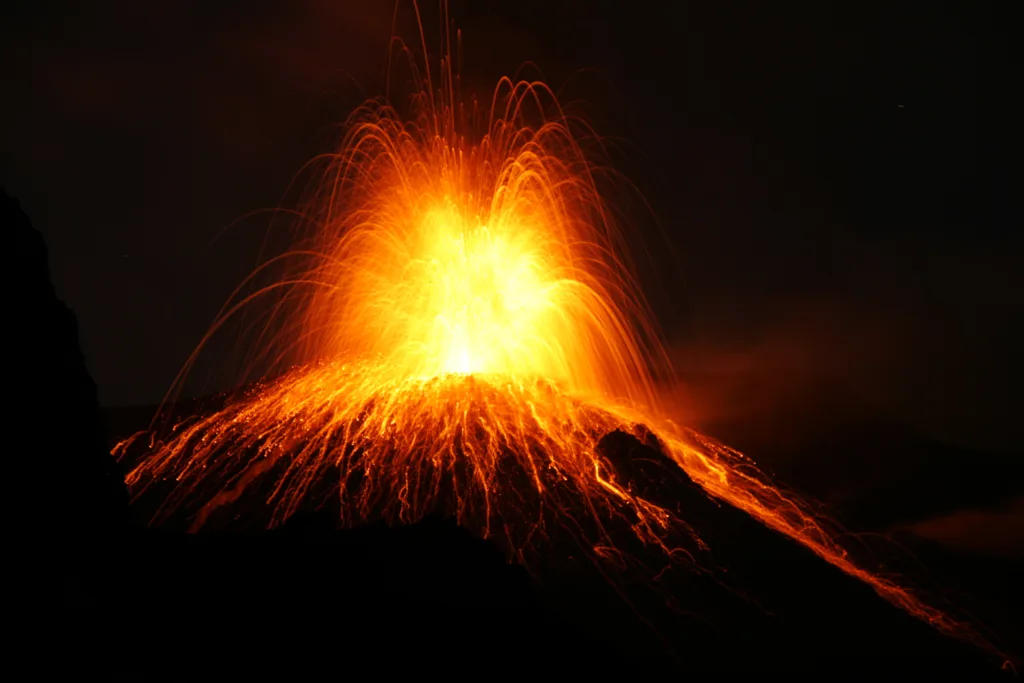
Volcano activity on the Big Island can impact plans
Kīlauea has been active again, with recent eruptions sending lava fountains hundreds of feet into the air and forcing temporary closures at Hawaiʻi Volcanoes National Park.
That kind of activity is dramatic, but it’s also a reminder of what Hawaii really is. These islands are still forming. Conditions can change quickly, especially on the Big Island.
If you’re planning a visit there, don’t build your entire trip around seeing lava on a specific day. That’s where people get frustrated. You want options in your itinerary so you’re not stuck if something closes or conditions shift.
A better approach is to mix in other experiences and keep your schedule flexible. That way, if the volcano isn’t accessible, your day still works.
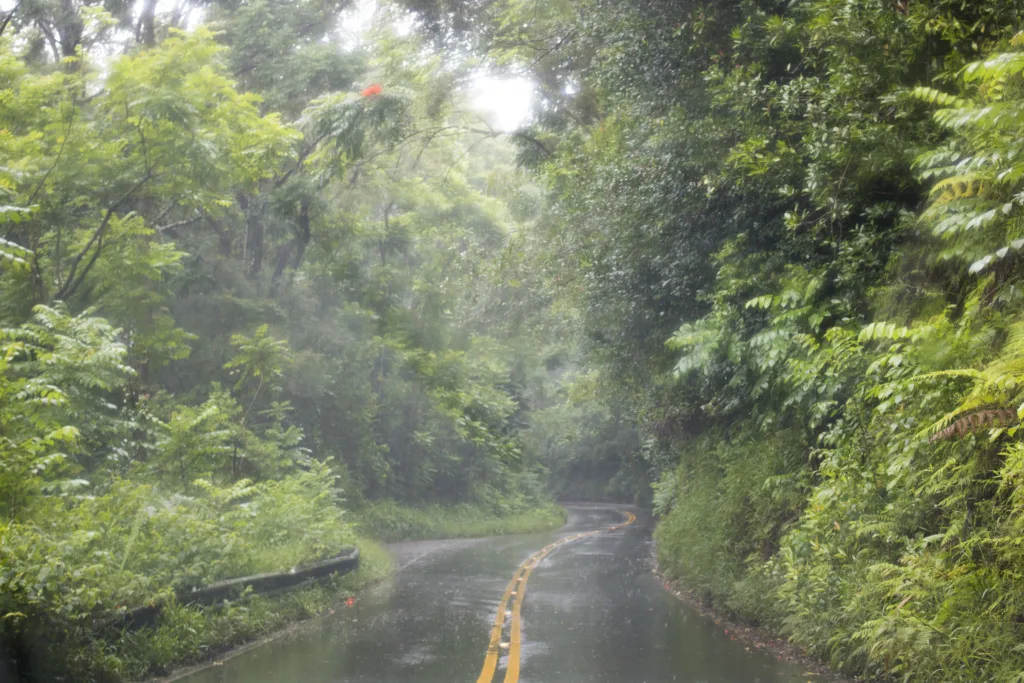
Why storms have been stronger lately
There’s been a lot of talk about heavier rainfall and stronger storms across the islands. Some of that comes from warmer ocean temperatures and a warmer atmosphere overall.
When the air holds more moisture, storms can produce more rain. In Hawaii, slow-moving systems like kona lows can sit over the islands and pull in moisture from the tropics.
That’s when you see days with steady rain and occasional flooding, especially in lower-lying areas like Honolulu.
But here’s what most visitors don’t realize. Even when that’s happening, it doesn’t mean the entire island is shut down. Conditions can vary a lot depending on where you are and what time of day it is.
That’s why paying attention to Hawaii Weather matters, but overreacting to it doesn’t help.
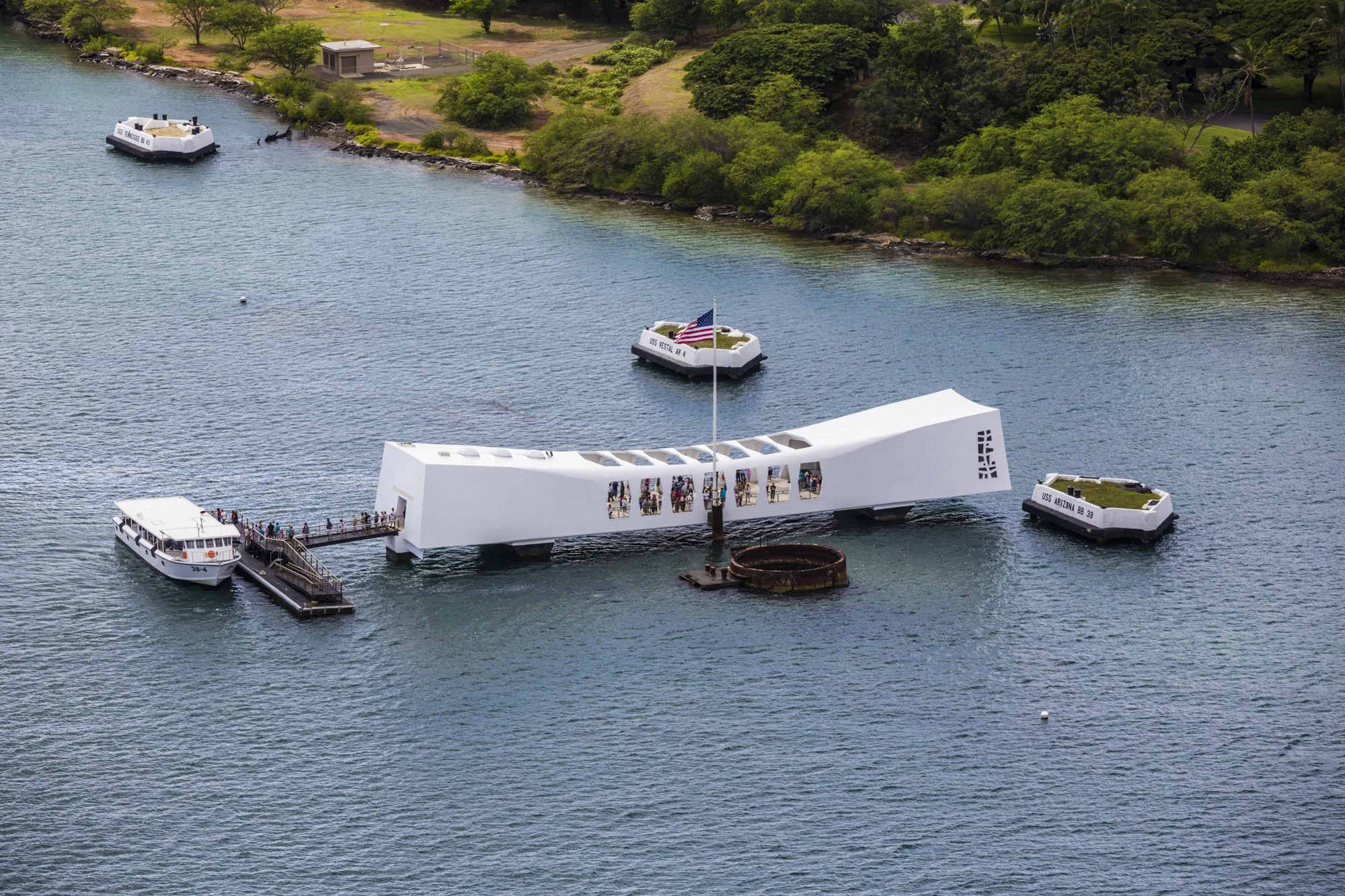
Getting to Pearl Harbor from Waikiki without a car
One of the most common questions we get is how to visit Pearl Harbor without renting a car.
If you’re staying in Waikiki, especially at a property like the Sheraton Waikiki, the easiest and smartest option is to go on your own.
Taking an Uber or taxi to Pearl Harbor gives you control over your schedule. You’re not stuck on a bus, and you’re not being rushed through one of the most important sites in Hawaii.
If you’re planning to visit the Arizona Memorial, you’ll want to reserve tickets in advance through the official National Park Service site here:
https://www.recreation.gov/ticket/233338/ticket/16
That’s one of the few things you should lock in ahead of time.
After Pearl Harbor, some visitors consider heading to the Dole Plantation. You can do that, but it should be treated as a secondary stop, not the main focus of your day. Trying to combine both on a rigid tour usually leads to a rushed experience.
If you want more help mapping this out, take a look at our
Pearl Harbor planning tips
and our Waikiki travel guide
to get a better sense of how to structure the day.
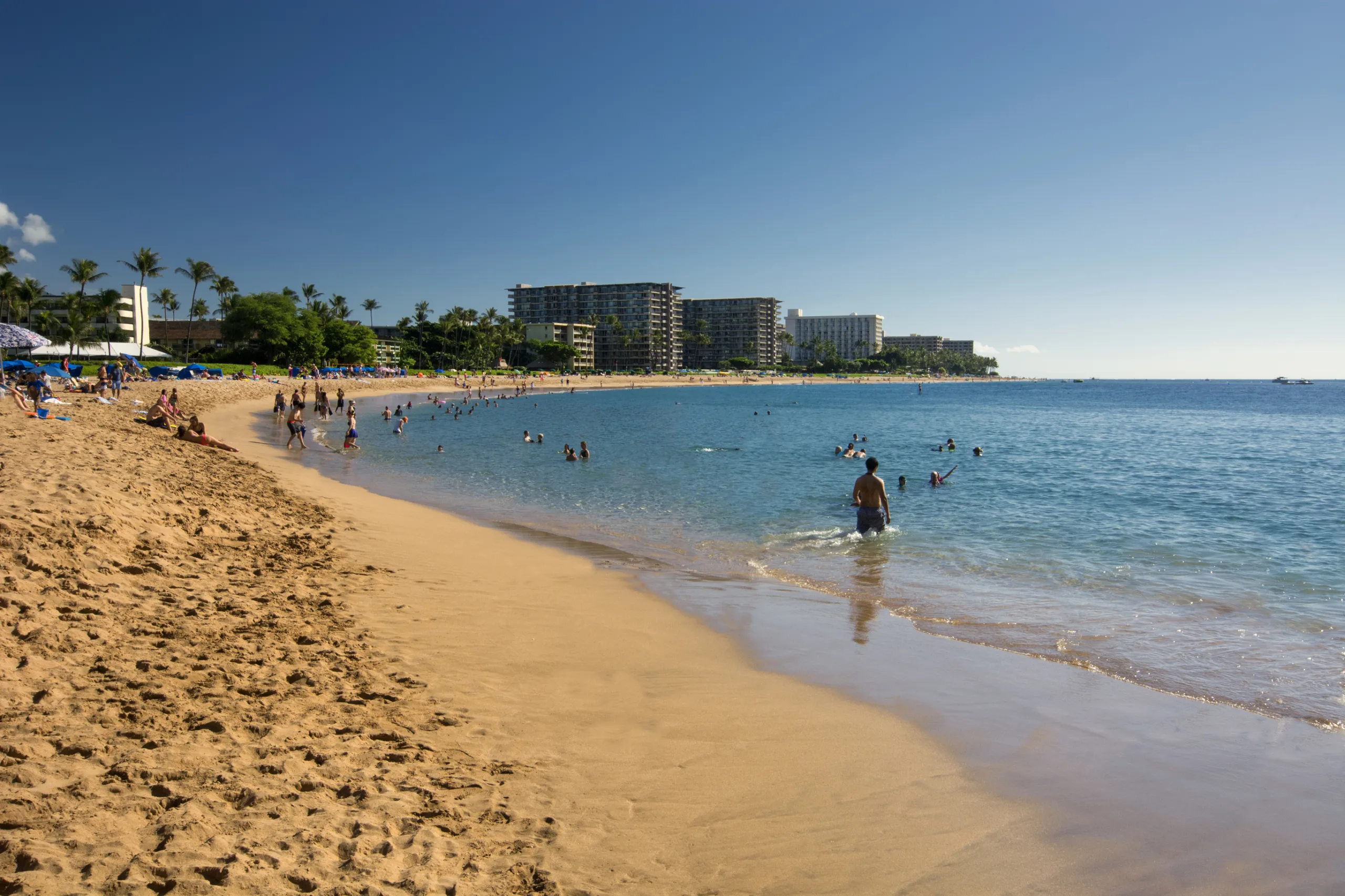
Where to stay in Maui when traveling with teens
Maui is where a lot of people start to feel overwhelmed when planning, especially when choosing between Kaanapali and Wailea.
They’re both great areas, but they serve different types of travelers.
Kaanapali is more active and walkable. You’ve got restaurants, shops, beach access, and snorkeling all within easy reach. For families with teens, that matters. It gives them more to do without needing to drive everywhere.
Wailea is quieter and more spread out. It’s known for luxury resorts and a slower pace. That works well for couples or honeymooners, but it can feel too relaxed for families who want more activity.
If you’re traveling with teenagers and want a balance of beach time and things to do, Kaanapali is usually the better fit.

Do you really need a Jeep for the Road to Hana
This is one of the biggest misconceptions about Maui.
You don’t need a Jeep for the Road to Hana.
The road is paved, and most standard rental cars can handle it just fine. A Jeep can be fun, especially if you want that open-air experience, but it’s not required.
In fact, it can create problems if the weather turns. Rain showers are common along the Hana Highway, and dealing with a removable top in the middle of a downpour isn’t ideal.
A smarter approach is to rent a standard car for your stay and focus on the drive itself. The scenery, waterfalls, and stops along the way are what make the experience—not the vehicle.
What to do when it rains in ( All Islands)
Maui Indoor Ideas
Indoor ideas on Maui when plans change
Maui gives you more flexibility than people think, even when the weather doesn’t cooperate.
One of the easiest pivots is the Maui Ocean Center. This is a full aquarium experience with indoor exhibits and a walk-through tunnel. It works for couples, families, and especially teens who need something interactive.
Upcountry Maui is another smart move. Weather can be completely different there compared to the resort areas. You can spend time at MauiWine for tastings or explore local farms and markets that offer covered or indoor areas.
If you want something more hands-on, Maui has cooking classes, art workshops, and smaller cultural experiences that are easy to fit into a flexible day. These are the kinds of activities most people don’t plan—but end up remembering.
And don’t overlook the simple option. Maui is one of the best islands to slow things down. A long lunch, drinks, and just enjoying where you are can turn a rainy day into one of the better days of the trip.
What to do on Kauai when it rains
Kauai is a little different. It’s quieter and more nature-focused, which means you need to be more intentional when the weather shifts.
Start with the Kauaʻi Museum. It’s not huge, but it gives you a strong sense of the island’s history and culture and works well as a relaxed indoor stop.
Hanapepe is another good option. The town has a collection of art galleries, small shops, and places to grab coffee or food. It’s easy to spend a few hours there without worrying about the weather.
You can also head to Kauaʻi Coffee Company for tastings and a look at local production. A lot of the experience is covered or indoors, so it still works even if conditions aren’t perfect.
Kauai is where you shift your mindset. Instead of trying to force a full schedule, you let the day unfold. That’s how the island works best.
Big Island indoor options that still deliver
The Big Island is one of the most underrated places for rainy-day activities.
If you’re on the Hilo side, the ʻImiloa Astronomy Center is one of the best stops you can make. It blends Hawaiian culture with science and astronomy, and it’s engaging without feeling like a backup plan.
On the Kona side, coffee farms are an easy win. Many offer covered tastings and tours, so even if there’s light rain, you’re still able to enjoy the experience.
Chocolate farms are another great option and give you something completely different from the typical beach day. These tours are often partially indoors and add variety to the trip.
And if you’re in Hilo, embrace it. It’s one of the rainiest towns in the country, but it’s built for it. Covered markets, local shops, and smaller restaurants make it easy to explore without worrying about the weather.
Why this matters for your Hawaii itinerary
Adding these kinds of options into your plan ahead of time makes a huge difference.
You don’t need to schedule every one of these. But knowing they exist gives you flexibility. Instead of scrambling when the weather changes, you already know what makes sense.
That’s really the key to handling Hawaii Weather the right way.
You’re not avoiding it—you’re working with it.