 Contact Us
 1-800-843-8771

Visiting Hawaii: What the Headlines Aren’t Telling You

Podcast: Play in new window | Download
Quick Facts About Hawaii Travel
✔ Is Visiting Hawaii Safe?
Yes. Millions of visitors safely enjoy Hawaii every year. Like any destination, it’s important to stay informed about weather and local conditions, but most visitors experience a relaxing, trouble-free vacation.
✔ Are all the Hawaiian Islands affected by the same events?
No. Hawaii consists of several islands separated by hundreds of miles of ocean. Weather, events, and local issues are often unique to one island.
✔ Should recent news stop you from visiting Hawaii?
Not necessarily. Stay informed, but don’t let headlines alone determine your travel plans. Most visitors experience the Hawaii they’ve always dreamed about.
✔ Where can I get trustworthy Hawaii travel advice?
Work with someone who lives here. At Hawaii Aloha Travel, we’ve helped visitors plan custom Hawaii vacations for more than 25 years.
Don’t Let the Headlines Decide Your Hawaii Vacation
If you’re planning on visiting Hawaii? Chances are, the first thing you’ll do is exactly what millions of travelers do every year—open Google.
You’ll search for things like “Hawaii vacation,” “best Hawaiian island,” “Hawaii travel news,” or maybe even “Is Hawaii safe to visit?”
Within seconds you’re greeted with headlines about tropical storms, earthquakes, native Hawaiian protests, environmental concerns, Maui’s recovery, tourism challenges, or another story that makes Hawaii sound like it’s in constant crisis.
As someone who has lived in Hawaii for more than 30 years and helped visitors plan vacations for over 25 years, I’ve noticed something troubling.
Before people ask me which island they should visit, where they should stay, or what activities to book, many are asking a completely different question.
“Bruce…is everything okay over there?”
It’s an understandable question.
The news they’re reading makes it seem like Hawaii is struggling every single day.
Now let me be clear before we go any further.
I’m not suggesting these stories shouldn’t be covered.
The Maui wildfires were one of the greatest tragedies in Hawaii’s history. Native Hawaiian issues deserve thoughtful discussion. Storms happen. Earthquakes happen. Environmental concerns deserve attention.
Those are all legitimate news stories.
The problem isn’t that they’re being reported.
The problem is that they’re often the only stories people see.
For someone who has never visited Hawaii, that creates a picture that simply doesn’t reflect what visitors actually experience once they arrive.
Every week I talk with families planning their first vacation here. Some are celebrating anniversaries. Others are bringing children or grandchildren. Many have spent years saving for this trip.
By the time they call me, they’ve already spent hours reading articles and scrolling through social media.
They’re nervous.
They’re wondering if they should postpone their trip.
They’re asking whether Maui is “back,” if protests are happening everywhere, or if another storm will ruin their vacation.
Then something interesting happens.
They come.
They experience Hawaii for themselves.
A week later I receive emails that all sound remarkably similar.
“Bruce, we didn’t want to leave.”
“The people were so friendly.”
“We’re already talking about coming back.”
“This was the best vacation we’ve ever taken.”
That’s the Hawaii I see every single day.
It isn’t perfect. No destination is.
But it is warm, welcoming, incredibly beautiful, and filled with experiences that create lifelong memories.
Unfortunately, those stories rarely become headlines.
In this article, I want to explain why that happens, why Hawaii often appears much more negative online than it feels in person, and share what visitors actually experience when they step off the airplane.
Because after helping thousands of people discover these islands, I’ve learned one thing with absolute certainty:
The Hawaii in the headlines is rarely the Hawaii waiting for you when you arrive.
Why Bad News Travels Faster Than Good News
If you’ve ever wondered why it feels like every story about Hawaii is negative, you’re not imagining it.
There’s actually a psychological explanation for it.
Psychologists call it negativity bias—our natural tendency to pay more attention to bad news than good news. It’s hardwired into us. Thousands of years ago, that instinct helped our ancestors survive. If there was a dangerous animal nearby, paying attention to that threat was far more important than admiring a beautiful sunset.
Today, our brains still work the same way.
We’re naturally drawn to stories about conflict, danger, disasters, and controversy.
News organizations understand this because they’re competing for your attention. A headline that says “Beautiful Weather Continues Across Hawaii” simply isn’t going to generate the same number of clicks as “Earthquake Shakes Hawaiian Islands” or “Storm Threatens Hawaii.”
The same is true on social media.
Algorithms don’t decide what’s important—they decide what keeps people engaged. And nothing grabs attention faster than fear, controversy, or uncertainty. Every click, comment, and share tells those platforms to show the story to even more people.
It’s not because reporters or journalists are trying to discourage people from visiting Hawaii.
It’s because that’s how today’s media landscape works.
The challenge is that Hawaii is particularly vulnerable to this cycle.
Unlike many destinations, Hawaii is instantly recognizable around the world. Millions of people dream about visiting these islands, so when something happens here, it doesn’t remain a local story—it quickly becomes national or even international news.
A protest on Molokaʻi suddenly becomes “Protests in Hawaii.”
A tropical storm affecting one island becomes “Storms Hit Hawaii.”
An earthquake near the Big Island becomes “Earthquake Rocks Hawaii.”
Most readers don’t realize that Hawaii is made up of several islands spread across nearly 1,500 miles of ocean. Conditions on one island can be completely different from another. Visitors staying on Kauaʻi may never experience something happening on the Big Island, just as someone vacationing on Maui may be completely unaffected by an event on Oʻahu.
That context is often missing from the headlines.
The Maui wildfires are perhaps the best example.
The fires were devastating, and they deserved every bit of the global attention they received. But in the weeks and months that followed, I spoke with countless travelers who believed all of Hawaii had been affected. Some thought every island was closed. Others wondered if they should cancel vacations to Oʻahu, Kauaʻi, or the Big Island, even though those islands continued welcoming visitors.
The headlines didn’t intentionally mislead anyone—but they didn’t always provide the complete picture either.
I’ve also noticed another trend over the past few years. It seems like stories involving protests, environmental disputes, or tourism criticism receive repeated coverage, while stories about successful conservation projects, cultural festivals, new visitor experiences, hotel renovations, or local community events barely receive a mention.
Those positive stories are happening every single week.
They just don’t generate the same level of attention.
And that’s unfortunate, because if you’ve never been here, your perception of Hawaii begins to take shape long before your airplane ever lands.
When the only information you consume is negative, it’s easy to assume that’s what everyday life in Hawaii must be like.
But after living here for more than three decades and helping visitors every day, I can tell you that’s simply not the Hawaii most people experience.
In fact, it’s almost the opposite.
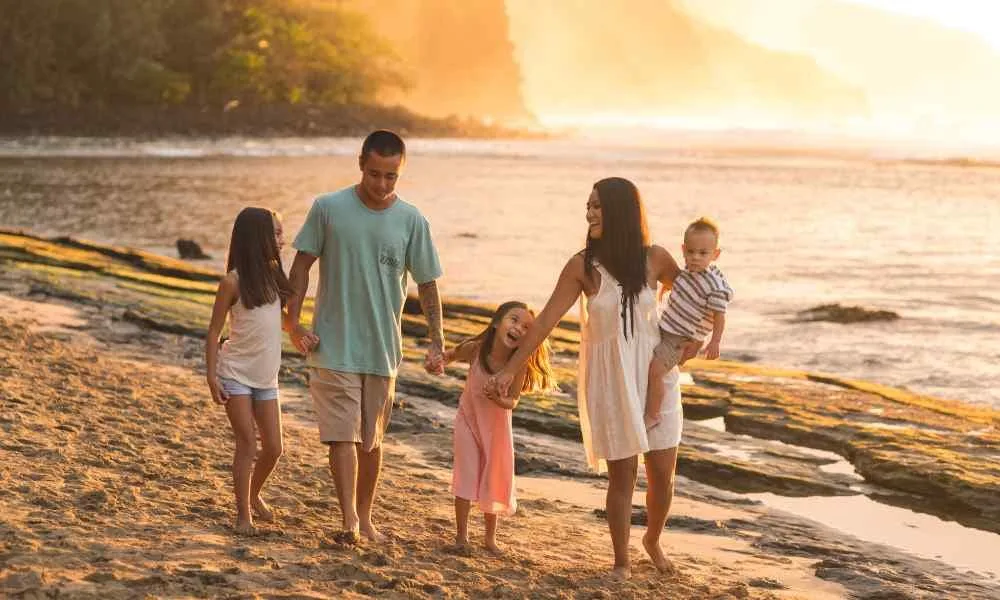
The Hawaii I see every day is filled with families making lifelong memories, couples celebrating anniversaries, kids seeing sea turtles for the first time, and visitors wondering why they waited so long to finally make the trip.
That’s the story I think deserves to be told just as often.
What Visitors Actually Experience When They Come to Hawaii
Here’s the part of the story you don’t often hear.
I don’t just read about Hawaii—I live here.
For more than 30 years, Hawaii has been my home, and for the past 25 years I’ve helped thousands of visitors plan their vacations. Every week I talk with people before they arrive, and in many cases I meet them while they’re here. Then, after they return home, I hear from them again.
It’s those conversations that have shaped my perspective far more than any headline ever could.
And do you know what I hear over and over again?
“Bruce, we didn’t want to leave.”
“We’re already talking about our next trip.”
“The people were so kind.”
“Pictures don’t do Hawaii justice.”
“This was the best vacation our family has ever taken.”
Those aren’t one-off comments. They’re the kinds of messages we receive every single week, and if you browse through the hundreds of reviews we’ve received at Hawaii Aloha Travel, you’ll see the same themes repeated again and again.
People don’t come home talking about the headlines they read before they left.
They talk about the memories they made while they were here.
They remember watching the sunrise from Haleakalā after waking up in the middle of the night because everyone told them it would be worth it—and discovering that it really was.
They remember snorkeling with sea turtles on the Big Island, hearing the sound of the waves crashing along the Nā Pali Coast, or watching humpback whales breach offshore during the winter months.
Families tell me about the excitement on their children’s faces when they spotted their first sea turtle or experienced their first Hawaiian rainbow. Grandparents tell me how special it was to share Hawaii with the next generation. Honeymooners describe quiet dinners overlooking the ocean and sunsets they’ll never forget.
Those are the moments that define a Hawaii vacation.
They’re simple.
They’re authentic.
And they’re happening every single day.
One of my favorite parts of this job is helping people discover experiences they probably wouldn’t have found on their own. Sometimes it’s a small neighborhood restaurant instead of a crowded tourist spot. Sometimes it’s a scenic overlook that doesn’t appear on the first page of Google. Other times it’s helping a family choose the island that’s the best fit for the kind of vacation they actually want—not just the island that’s trending on social media.
That’s the advantage of local knowledge.
Recently, I spoke with a grandfather who was bringing his grandchildren to Hawaii. They wanted to go horseback riding, and like many visitors, they immediately found Kualoa Ranch because it’s famous and shows up in almost every online search.
Now, Kualoa Ranch is beautiful, and it’s absolutely worth visiting. But after asking a few questions, I realized they weren’t looking for a movie-tour experience. They wanted a true horseback ride where they could enjoy open country and feel like they were really exploring Hawaii.
So I suggested a ranch on the Big Island instead.
That’s not something an algorithm can do.
It comes from years of talking with visitors, exploring the islands myself, and understanding that every traveler is different.
The same thing happens with hotels.
One couple may want a luxury resort where they never have to leave the property. Another family wants a condominium with a kitchen so they can save money and spend more on activities. Someone celebrating a honeymoon may want an intimate boutique hotel, while grandparents traveling with young children might prioritize pools, easy beach access, and family-friendly dining.
There isn’t one perfect Hawaii vacation.
There’s only the vacation that’s perfect for you.
That’s why I always tell people not to plan a trip based solely on search rankings or viral videos.
The best vacations are personal.
They’re built around your interests, your budget, and the kind of memories you want to make.
When I look back over the thousands of visitors we’ve helped through Hawaii Aloha Travel, I honestly can’t remember anyone calling me after their vacation to say, “Bruce, all those headlines were right.”
What I do remember are the thank-you emails.
The vacation photos.
The holiday cards.
The phone calls from people planning their second, third, or even fourth trip back to Hawaii.
Because once people experience these islands for themselves, something changes.
The headlines fade away.
What stays with them are the sunsets, the aloha spirit, the smell of plumeria in the air, the sound of the ocean outside their hotel room, and the feeling that Hawaii was everything they had hoped it would be—and often much more.
That’s the Hawaii I know.
And that’s the Hawaii I hope every first-time visitor gets to experience.
The Good News About Hawaii That Rarely Makes the Headlines
Here’s something you probably won’t see leading the evening news.
Hawaii is constantly improving the visitor experience.
Every year, hotels invest millions of dollars renovating their properties. Airlines add new routes and improve schedules. Restaurants open, parks become more accessible, and attractions continue finding better ways to balance tourism with protecting Hawaii’s natural resources.
Those aren’t flashy headlines.
But they’re the kinds of improvements that actually make your vacation better.
Take the Hilton Hawaiian Village, for example. The iconic Rainbow Tower has recently completed a major renovation, breathing new life into one of Waikīkī’s most recognizable landmarks. It’s a hotel I’ve booked for visitors for years, and it’s great to see them continuing to invest in keeping the property fresh for future guests.
Outrigger Resorts has been doing much the same thing.
If you’ve followed my podcast, you know I’ve talked quite a bit about the renovations happening across several Outrigger properties. Rather than trying to renovate everything at once, they’ve taken a thoughtful approach, upgrading resorts throughout the islands while minimizing the impact on guests.
One property I’m especially excited about is the Kauaʻi Beach Resort. The renovations have transformed the resort, and with the addition of new dining options overlooking the ocean, it’s becoming one of my favorite recommendations for visitors who want a beautiful beachfront experience without paying the premium prices found on Kauaʻi’s North Shore.
These are the kinds of investments that often go unnoticed.
Visitors don’t realize just how much Hawaii’s hotels continually reinvest to stay competitive and improve the guest experience.
Transportation is improving as well.
The merger between Alaska Airlines and Hawaiian Airlines has certainly had its challenges, and I’ve talked about those honestly on previous podcasts. But we’re beginning to see positive changes. Flight options continue to evolve, frequent flyer benefits are expanding, and over time I believe travelers will benefit from a stronger combined network connecting Hawaii with the mainland.
Another great example is the new North Shore Shuttle on Oʻahu.
For just a few dollars, visitors can now leave their rental car behind, avoid the frustration of parking, and easily explore one of Oʻahu’s most popular destinations. It’s an affordable, environmentally friendly solution that makes visiting the North Shore easier for everyone.
That’s exactly the kind of innovation I’d love to see more often.
We’re also seeing improvements at some of Hawaii’s most popular natural attractions.
Several years ago, places like Hāʻena State Park on Kauaʻi and Waiʻānapanapa State Park on Maui became victims of their own popularity. Parking lots overflowed, traffic backed up for miles, and the visitor experience suffered.
Today, reservation systems have helped change that.
I know some visitors don’t love the idea of making reservations in advance, but the results have been overwhelmingly positive. Crowds are more manageable, natural resources are better protected, and visitors who do make reservations enjoy a much better experience once they arrive.
That’s a win for everyone.
The same can be said for Hawaii’s growing emphasis on cultural education.
More hotels now offer authentic Hawaiian cultural activities, from lei making and hula lessons to language classes and storytelling sessions led by local cultural practitioners. Visitors aren’t just lying on the beach anymore—they’re learning about the history, traditions, and values that make Hawaii such a special place.
To me, that’s one of the best changes I’ve seen over the past decade.
People don’t simply want to check Hawaii off a bucket list.
They want to understand it.
They want to connect with it.
And Hawaii is responding by creating more opportunities for visitors to experience the islands in meaningful ways while also respecting the local culture.
Of course, these stories rarely become viral headlines.
You probably won’t see breaking news that says, “Hotel Renovation Improves Guest Experience,” or “Visitors Enjoy Easier Access to North Shore.”
But these are the things that actually shape your vacation.
They’re the quiet improvements happening behind the scenes every single day.
As someone who spends his career helping people plan trips to Hawaii, I pay attention to these changes because they directly affect my clients. Whether it’s a newly renovated hotel, a better transportation option, or a restaurant that’s worth recommending, those are the details that help turn a good vacation into a truly memorable one.
And they’re exactly the kinds of stories that deserve a little more attention.
Why Local Knowledge Still Matters More Than Google
One of the biggest changes I’ve seen over the past twenty-five years is how people plan their vacations.
Years ago, visitors would call a travel advisor first.
Today, they call Google.
Don’t get me wrong—Google is an incredible tool. I use it every day. It’s great for finding information, reading reviews, checking restaurant hours, and learning about Hawaii before your trip.
But Google doesn’t know you.
It doesn’t know whether you’re traveling with toddlers who need afternoon naps or teenagers looking for adventure. It doesn’t know whether you’re celebrating your 50th wedding anniversary or taking your grandchildren on their very first Hawaii vacation.
It certainly doesn’t know the little details that can make or break a trip.
That’s where local knowledge still makes a tremendous difference.
I often tell people that planning a Hawaii vacation isn’t about finding the “best” hotel or the “best” activity.
It’s about finding the right one.
For example, I recently worked with a grandfather planning a trip with his two grandchildren. They loved horses and immediately mentioned Kualoa Ranch because that’s what kept showing up online.
Kualoa Ranch is absolutely worth visiting. The scenery is spectacular, and it’s famous for movies like Jurassic Parkand dozens of other Hollywood productions.
But after talking with him for a few minutes, I realized what they really wanted wasn’t a movie tour.
They wanted a genuine horseback riding experience.
They wanted to ride across open country, enjoy the scenery, and spend quality time together.
So instead of automatically booking what Google recommended, I suggested a ranch on the Big Island that I felt would better match what they were looking for.
That’s the kind of conversation you simply can’t have with a search engine.
The same thing happens every day with hotels.
One couple tells me they want a quiet honeymoon.
Another family says they’re traveling with three kids under the age of ten.
Someone else wants to walk everywhere and never rent a car.
Another guest wants complete luxury and plans to spend most of the vacation at the resort.
Would I recommend the same hotel to all four of those travelers?
Of course not.
Yet that’s exactly what happens when people rely solely on “Top 10 Hotels in Hawaii” lists.
There is no single best hotel in Hawaii.
There are hotels that are best for you.
The same is true with activities.
Some people love luaus.
Others would rather spend that money on a memorable dinner.
Some visitors dream about hiking Diamond Head.
Others would much rather take a leisurely drive around Oʻahu, stopping at scenic lookouts and local food stands along the way.
I’ve even talked clients out of activities they thought they wanted because I knew they’d probably be disappointed.
That’s not because the activity was bad.
It just wasn’t a good fit for that particular family.
One of the advantages of living here is that I constantly hear feedback from visitors after they return home.
I know which restaurants consistently impress people.
I know which hotels are renovating.
I know which excursions are worth the money—and which ones aren’t.
I know where the hidden gems are, but I also know when a famous attraction deserves its reputation.
That’s information you simply don’t get from a search result.
It’s built from decades of living here, exploring the islands, and listening to thousands of visitors share what they loved most about their vacations.
At Hawaii Aloha Travel, we often say we’re not just booking hotels—we’re helping people create memories.
That may sound like a slogan, but it’s really how we approach every trip.
When someone calls us, we’re not trying to sell them the most expensive package.
We’re trying to understand what kind of vacation they’re hoping to have.
Because when we get that part right, everything else tends to fall into place.
And that’s something no algorithm can replace.
One of My Favorite New Experiences: Alan Wong Is Back
Speaking of things that deserve more attention, Yaling and I recently had the chance to have dinner at Alan Wong’s new restaurant, and it reminded me why local dining is such a big part of any Hawaii vacation.
If you’ve never heard of Alan Wong, he’s not just another celebrity chef.
He’s considered one of the founders of Hawaii Regional Cuisine, a movement that completely changed the way people think about food in Hawaii. Long before farm-to-table became a buzzword, Alan Wong was working with local farmers, fishermen, and ranchers to create dishes that showcased the islands’ incredible ingredients.
His original restaurant on King Street became one of the most iconic dining destinations in Hawaii. It was the restaurant I recommended for countless anniversaries, birthdays, and honeymoon dinners over the years.
When it closed, a lot of people—including me—wondered if we’d ever see Alan Wong back in the kitchen.
Now he’s back.
We had an early dinner reservation, and one of the first things I noticed wasn’t the beautiful ocean view or the elegant dining room.
It was Alan himself.
There he was, standing in the kitchen, tasting a batch of mashed potatoes.
That may not sound very exciting, but to me it said everything about who he is. After decades in the business, he’s still personally checking every detail before it reaches a guest’s table.
That’s the mark of someone who truly cares about their craft.
The restaurant itself is beautiful. Most of the dining room overlooks the ocean, creating the kind of setting people imagine when they dream about a special dinner in Hawaii.
Our server, Michelle, was outstanding. The service struck that perfect balance—professional without feeling stuffy and attentive without interrupting every conversation.
We started with the poke, and it was one of the freshest versions I’ve had in a long time. The dressing added just enough sweetness and acidity without overpowering the fish. It’s a simple dish, but that’s exactly why it has to be done well.
For our entrée, Yaling and I decided to share a few dishes. One of the highlights was the Korean-style short ribs, which were so tender they practically fell off the bone. We also enjoyed beautifully prepared fresh fish, perfectly cooked vegetables, and every plate was presented with the same attention to detail that made Alan Wong famous.
I’m certainly not a professional food critic, but I know when I’ve had an exceptional meal.
This was one of them.
Now, let’s talk about the price, because I know that’s something visitors think about.
Dinner for the two of us, including cocktails, came to about $170 before gratuity.
That’s not inexpensive.
But here’s another way to think about it.
Today, many luaus cost around $200 per person, and for a family of four, that’s a significant investment.
Don’t misunderstand me—I enjoy a good luau and still recommend them for many first-time visitors because they’re a wonderful introduction to Hawaiian music, dance, and culture.
But if you’re celebrating something special—a honeymoon, milestone birthday, anniversary, retirement, or simply want one unforgettable evening during your vacation—I think a world-class restaurant can be every bit as memorable.
It’s not about choosing one over the other.
It’s about choosing the experience that best fits your vacation.
That’s another reason I always encourage visitors to ask questions before they book everything online.
Sometimes the most memorable part of a Hawaii vacation isn’t another activity.
Sometimes it’s slowing down, sharing an incredible meal, watching the sun set over the Pacific, and enjoying a conversation you’ll remember long after you’ve returned home.
Those are the experiences that stay with you.
And just like so many other wonderful things happening in Hawaii today, they’re stories that rarely make the headlines.

A Few Local Tips Before You Fly
Before I wrap this up, I wanted to answer one of the questions I get almost every week.
“Bruce, where should I sit on the plane between the islands?”
It might sound like a small detail, but choosing the right side of the aircraft can give you some spectacular views—and it’s one of those little insider tips that can make your trip even more memorable.
If you’re flying from Oʻahu to Maui, I usually recommend sitting on the left side of the aircraft. On a clear day, you’ll enjoy beautiful views as you depart Honolulu, and depending on your flight path, you’ll often see Molokaʻi before Maui comes into view.
Flying back from Maui to Oʻahu?
Switch to the right side.
If the weather cooperates, you’ll be treated to one of the most beautiful approaches anywhere in the world. As the plane descends, Diamond Head begins to appear, followed by Waikīkī, downtown Honolulu, and the entire south shore stretching beneath you. Even after living here for more than thirty years, I still look out the window every single time.
If you’re heading from Oʻahu to Kauaʻi, I also prefer the left side of the aircraft. You’ll often get wonderful views leaving Oʻahu and beautiful scenery as you approach Kauaʻi’s lush coastline.
Flights to the Big Island are a little different.
Honestly, there isn’t a perfect seat.
Depending on the weather, the runway in use, and instructions from Air Traffic Control, you may see the lava fields, Mauna Kea, Mauna Loa, the Hamakua Coast, or miles of dramatic coastline.
As I always tell people, Mother Nature and Air Traffic Control have the final say.
These are just little tips I’ve picked up after countless flights between the islands over the years.
So, Should You Believe the Headlines?
Here’s my advice.
Stay informed.
Read the news.
Know what’s happening.
But don’t mistake the headlines for the complete Hawaii experience.
News organizations report what’s unusual.
That’s their job.
Vacations, on the other hand, are built around what happens every single day.
Every day, visitors watch sea turtles swim by while they’re snorkeling.
Every day, families gather on the beach to watch another Hawaiian sunset.
Every day, couples celebrate anniversaries overlooking the ocean.
Every day, someone tastes fresh poke for the first time, hikes to a waterfall, watches a rainbow appear over the mountains, or simply relaxes under a palm tree and wonders why they didn’t come sooner.
Those moments don’t become breaking news.
They don’t trend on social media.
But they’re happening all across Hawaii, every single day.
That’s the Hawaii I’ve been fortunate enough to call home for more than three decades.
It’s the Hawaii I’ve spent the last twenty-five years sharing with visitors from around the world.
And it’s the Hawaii I hope you’ll experience for yourself.
If you’re thinking about visiting the islands, don’t let fear or a handful of headlines keep you from taking the trip you’ve been dreaming about.
Ask questions.
Talk to people who live here.
Get advice from someone who knows the islands beyond the headlines.
Whether you book your vacation through Hawaii Aloha Travel or simply use the information we share through our podcasts and blog, my goal has always been the same—to help you experience the real Hawaii.
The Hawaii of warm aloha, incredible food, breathtaking scenery, and memories that stay with you long after your flight home.
Because after all these years, I can honestly tell you something I hear from visitors again and again:
Nobody ever calls me after their vacation and says they wish they hadn’t come to Hawaii.
Much more often, they tell me exactly the opposite.
“Bruce…we’re already planning our next trip.”
And honestly, I think that says far more about Hawaii than any headline ever could.