 Contact Us
 1-800-843-8771

Hawaii Travel Year in Review: What Changed, What Worked, What to Know

Podcast: Play in new window | Download

This Hawaii travel year in review highlights meaningful changes that affect how visitors get here, where they stay, and how their trips actually feel once they arrive. Some of these updates flew under the radar. Others made headlines. All of them matter if you’re planning a trip and want it to run smoothly instead of feeling stitched together.
This year also gave us a very clear picture of what’s working and what isn’t. Booking patterns, repeat travelers, and on-island feedback tell a story that doesn’t always match what you see on glossy booking sites. That’s where experience steps in.
Here’s what stood out, why it matters, and how we’re guiding travelers heading into the new year.
Big Island Updates That Actually Matter to Travelers
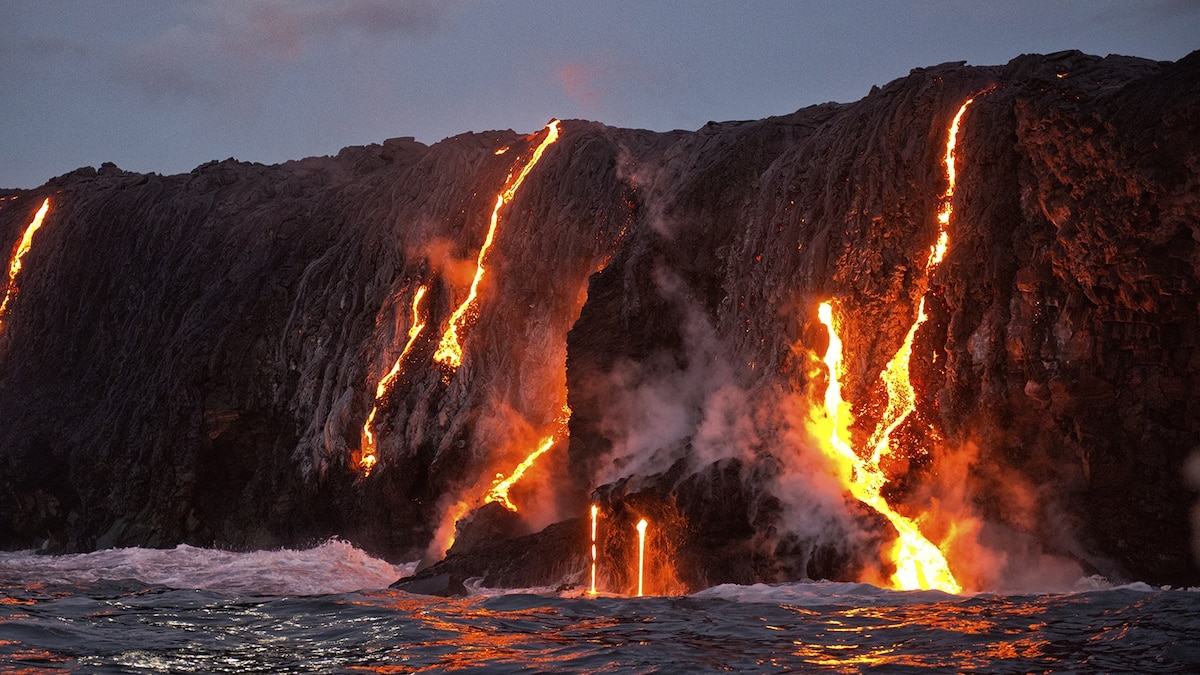
The Big Island had one of its more interesting years in recent memory, especially for travelers who want something beyond Waikiki.
The Island of Hawaii Is Officially Called Hawaii
The Hawaii Board on Geographic Names voted to officially name the island simply “Hawaii,” aligning it with the naming of the other islands statewide. This wasn’t a marketing move. It came after months of discussion and public input, with a focus on cultural respect and historical accuracy.
From a visitor standpoint, the change doesn’t alter your flight or hotel booking. What it does is remove confusion and reinforce the island’s identity. Locally, it’s been long understood. Officially, it now matches that understanding.
Here’s what you need to know: if you hear “Hawaii” used to describe the island instead of “Big Island,” that’s now correct. Context still matters, but clarity is improving.
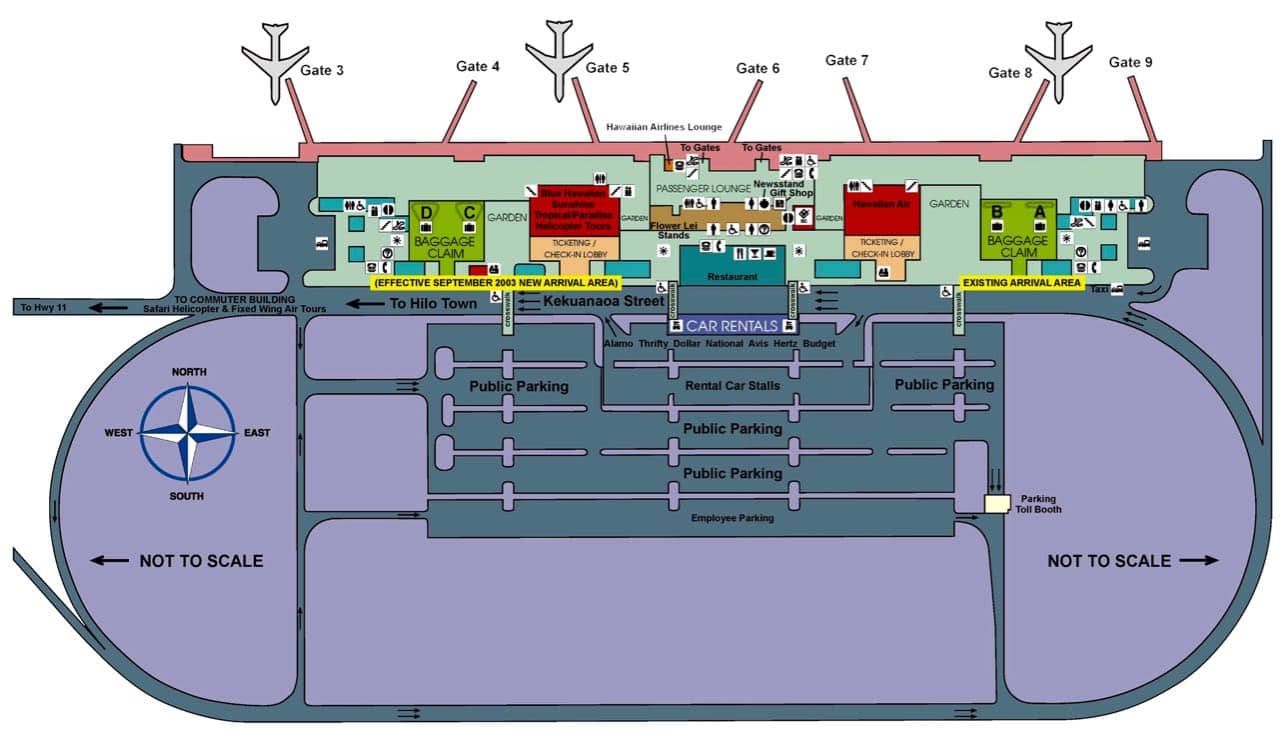
Southwest Airlines Brings Mainland Nonstop Flights Back to Hilo
For the first time in more than three years, Hilo has a direct mainland connection again. Southwest Airlines announced nonstop service between Las Vegas and Hilo, reopening access to the east side of the island.
This is a big deal for travelers who prefer rainforests, waterfalls, Volcanoes National Park, and a slower pace. Until now, most visitors had to route through Honolulu or land in Kona and drive several hours.
Direct access changes how people plan the island. It also makes split-stay itineraries more practical, especially for first-time visitors who want both lava fields and lush scenery without burning vacation days in transit.
Kona Village Introduces a Luxury Dog-Friendly Retreat

One of the more unexpected announcements came from Kona Village, A Rosewood Resort. The resort is One of the more unexpected announcements in this Hawaii travel year in review came from Kona Village, A Rosewood Resort. The resort is hosting four-night luxury dog retreats next year, complete with a dog-friendly welcome luau, yoga sessions, curated amenities, an on-site concierge, and guidance from a professional trainer.
Private charter flights through Bark Air make the experience possible, with limited seating for both humans and dogs. It’s niche, no question. It’s also a clear signal within this Hawaii travel year in review of where high-end travel is heading—personalized, experiential, and carefully designed.
This doesn’t affect most travelers directly, but it points to something important. Resorts are leaning into specialized experiences rather than generic luxury, and that’s a trend worth paying attention to.Hotel Performance: What Travelers Actually Booked This Year
Trends look different when you’re on the planning side instead of the marketing side. This year’s data showed a clear pattern: travelers gravitated toward consistency, location, and fewer surprises.
Brands That Performed Strongly
Outrigger Hotels and Resorts led the pack with significant growth in both passengers and sales . Their properties consistently deliver on location and livability, especially for first-time visitors who don’t want to spend half their trip commuting.
Hilton saw even stronger sales growth in our Hawaii travel year in review. Families, couples, and long-haul travelers tend to trust the brand’s reliability, resort infrastructure, and loyalty benefits.
Marriott continued steady growth. Their footprint across the islands gives travelers flexibility, and their resort-level properties perform best when location is dialed in.
Sonesta showed explosive growth from a small base, driven mostly by travelers looking for value without sacrificing basic standards.
Here’s the takeaway: familiar brands aren’t boring. They’re predictable, and predictability matters when you’ve flown five or ten hours to get here.
Why We Start With Certain Hotels First
Most vacations look fine online. That’s the problem.
Photos don’t show noise issues, layout quirks, or how far you really are from the beach you thought was “steps away.” Experience fills those gaps.
We start with properties that consistently deliver clean rooms, solid locations, and reliable operations. That doesn’t mean they’re perfect. It means fewer issues and better use of your time.
Some condo-style options look attractive on paper. They can work, but they’re more hit-or-miss. We suggest them only when the fit is right and expectations are clear.
If price becomes the main driver, the conversation shifts to trade-offs. Lower cost often means longer walks, older rooms, or fewer on-site amenities. None of that is wrong. It just needs to be understood upfront.
Island-by-Island Guidance We Keep Repeating for a Reason
Oʻahu
Oʻahu continues to be the easiest island for first-time visitors. Beaches, dining, shopping, and activities are all within reach. Where you stay in Waikiki matters more than people expect. The right end of the beach saves time and frustration.
Maui
Maui delivers on scenery and relaxation. It isn’t the cheapest island, and it doesn’t need to be. The experience hinges on choosing the right resort area and understanding drive times.
Kauaʻi
Kauaʻi remains quieter and more nature-focused. There’s less nightlife and more space. Travelers who choose Kauaʻi for the right reasons tend to love it. Those expecting Waikiki energy don’t.
Hawaii (Big Island)
The island is spread out. Planning matters more here than anywhere else. Choosing where to stay based on what you want to see saves hours of driving. Splitting time can work well, but only when logistics are handled properly.
Long-Haul Travelers: Why Bundled Planning Wins
Travelers coming from the East Coast or Midwest put in serious effort to get here. Flights are longer. Jet lag is real. The margin for error is smaller.
Bundling air, hotel, and support simplifies everything. One point of contact matters when schedules shift or plans need adjusting. It also helps protect the overall flow of the trip.
Most satisfaction comes from not having to troubleshoot on arrival. That peace of mind doesn’t show up in a price comparison, but it shows up in how the vacation feels.
Value Over Price: A Year-End Reality Check
Price sensitivity never disappears, but this year reinforced something we’ve seen for decades. Travelers who choose comfort and location over the lowest rate tend to enjoy their trips more.
When you break costs down per day, the difference often shrinks. What doesn’t shrink is the impact of a poor location or an uncomfortable room.
What’s known now is simple: vacations go better when planning focuses on experience instead of line items.
Closing Thoughts as We Head Into the New Year
Hawaii travel keeps evolving, but the fundamentals haven’t changed. Location matters. Timing matters. Support matters.
Airline routes open opportunities. Resort trends signal where travel is heading. Booking data shows what travelers trust once they’ve done it before.
The goal isn’t to sell a trip. It’s to make sure the trip you take matches how you want to travel.
That’s what we’ll keep focusing on in the year ahead.