 Contact Us
 1-800-843-8771

Imu Mea Ai on the Big Island: A Hands-On Hawaiian Food Experience That Feels Like Family

Hawaiʻi has no shortage of luau, buffet lines, fire knife shows, and scripted performances. For many first-time visitors, that’s often the default introduction to Hawaiian culture. It’s familiar, predictable, and easy to book. What’s more, it doesn’t always feel personal. At Hawaii Aloha Travel, we’re a Hawaii-based travel company with more than 20 years of experience designing custom vacations for first-time visitors. We live here, we book Hawaiʻi every day, and we focus on the details most travel sites skip, especially the real-world experiences that shape a trip once you arrive.
On the Big Island, tucked into the lush landscape of Puna, there’s a Hawaiian Food Experience that moves in a completely different direction. Instead of watching culture from a seat, guests take part in it with their hands, their energy, and their appetite. This is Imu Mea Ai, a Native Hawaiian-owned cultural food experience based in Pahoa that centers on the imu, the traditional underground oven that has fed Hawaiian families for generations.
Rather than being a show, it’s a shared workday. Rather than a stage, it’s the earth itself. Guests don’t arrive to be entertained. They arrive to participate, learn, cook, eat, clean, and connect. That difference changes everything.
What Imu Mea Ai Is All About
Imu Mea Ai was created to offer something more personal and grounded than what most visitors expect from a food-related activity in Hawaiʻi. Launched in late 2024, the experience was founded by Iopa Maunakea, who was born and raised on Oʻahu and later made Pahoa his home.
The idea came from a simple observation. Many cultural experiences had grown too polished and too commercial, leaving little room for participation or learning. Maunakea wanted to shift the focus away from performance and toward practice. The result is a small-group experience that feels closer to a workshop than a tour.
Guests don’t just hear about Hawaiian traditions. They help carry them out. That approach turns curiosity into understanding and observation into involvement.
Why the Imu Still Matters Today
The imu has long been a cornerstone of Hawaiian life. Before modern kitchens, it was how families and communities prepared food for everyday meals and special gatherings alike. Building an imu required cooperation, patience, and respect for natural resources.
This Hawaiian Food Experience centers on that process from start to finish. Guests learn how a pit is dug, how wood and kindling are stacked, and how lava rocks are heated until they hold intense warmth. Banana and ti leaves are layered carefully, adding moisture and flavor while protecting the food as it cooks underground.
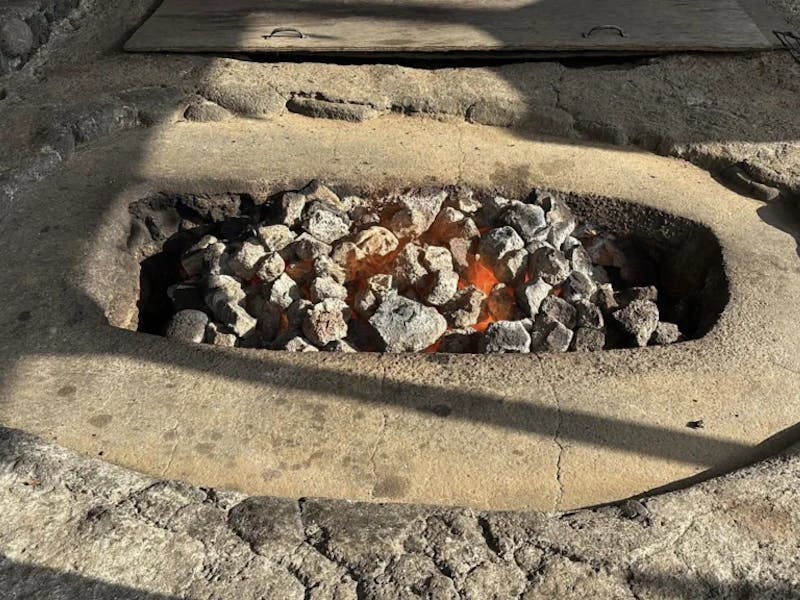
There’s nothing rushed about the process. That pace is intentional. It allows time for questions, stories, and conversation, all while reinforcing how deeply food preparation is tied to the land.
How the Day Unfolds
The experience begins around 10 a.m., and participation starts immediately. Guests help with building an imu while learning why each step matters. One of the most meaningful details is how the timing works.
The food guests will eat that day is already cooking in an imu built by the previous group. Meanwhile, today’s group helps prepare the next imu that will be used in the future. That rhythm creates a sense of continuity and shared responsibility.
Unlike passive tours, this Hawaiian Food Experience asks guests to stay engaged throughout the morning. Everyone contributes, regardless of background or prior knowledge. Even local residents who haven’t been around an imu in years often find themselves reconnecting with something familiar yet newly appreciated.
Working Up an Appetite
Physical activity has a way of sharpening hunger, and that’s very much part of the day. As the imu heats and lessons continue, guests begin to feel the anticipation build.
The environment encourages conversation without forcing it. People talk story while stacking wood, placing stones, or simply watching the process unfold. That sense of ease sets the tone for the meal to come.
By late morning, the group is ready.
The Meal Comes Straight From the Earth
Around noon, the imu is opened and food is carefully removed from the ground. What’s served depends on what’s locally sourced and seasonally available. Pork, chicken, and fish are common, along with vegetables like sweet potatoes, onions, mushrooms, carrots, potatoes, and kalo. During certain times of year, turkey may be added as well.
What makes this Hawaiian Food Experience stand out is that the meal comes directly from the imu, not a kitchen. Guests eat together at shared tables, passing dishes and talking story as they go.
Once everyone has eaten, the work continues. Dishes are washed, tools are cleaned, and everything is put away together. That shared responsibility reinforces the idea that participation doesn’t end once the food is gone.
Cultural Activities After the Meal
Following lunch, guests take part in hands-on cultural activities that change depending on the day. Lei making, pounding taro, or other traditional practices allow visitors to continue learning through doing.
These moments aren’t rushed or scripted. Guests are encouraged to try things themselves, ask questions, and learn at a comfortable pace. The atmosphere stays relaxed and welcoming.
Toward the end of the experience, guests are introduced to the Pono Pledge, which encourages respectful and responsible behavior while visiting Hawaiʻi. After a day spent caring for the land and each other, the message feels natural rather than instructional.
A Deeper Meaning of Aloha
Throughout the day, the concept of aloha comes up often. Not as a greeting or catchphrase, but as a way of engaging with others. Aloha, in this setting, is about exchange, presence, and respect.
Many guests find the experience unexpectedly emotional. Sharing food prepared in the earth, working side by side, and slowing down together has that effect. It’s common for people to leave feeling lighter, more connected, and genuinely welcomed.
Giving Back to the Community
Imu Mea Ai directly supports Men of Paa, a nonprofit founded by Maunakea more than 25 years ago. The organization focuses on helping men reintegrate into the community after involvement with the justice system through cultural grounding and service-based work.
The experience provides employment, structure, and purpose for men involved in the program. Cultural practice becomes a source of pride and belonging rather than something kept at arm’s length.
For guests, knowing their participation supports local people adds depth to the day. It’s another reminder that travel choices have real impact.
Why Pahoa Is the Perfect Setting
Imu Mea Ai takes place in Pahoa, a community known for its strong ties to the land and to one another. Located on the eastern side of the Big Island, Pahoa feels worlds away from resort corridors and cruise ship routes.
That setting matters. The surrounding environment supports the experience without distraction. Guests aren’t competing with traffic noise or crowded sidewalks. They’re present with the land and the people around them.
Booking Information and What to Know
Imu Mea Ai is priced at $150 for adults and $75 for guests ages 13 to 21. The experience is typically offered weekly on Wednesdays. Bookings can be made directly through the official website, or we can help at Hawaii Aloha Travel by including it in your itinerary.
Because the experience involves outdoor participation and light physical work, guests should wear closed-toe shoes and be comfortable spending several hours outside.
Who This Experience Is Best For
This Hawaiian Food Experience resonates most with travelers who want more than a photo opportunity. It’s ideal for visitors interested in learning, participation, and cultural context. Couples, solo travelers, families with older teens, and even local residents often find value here.
It may not suit travelers looking for a quick or passive activity. The experience asks guests to show up fully. For many, that’s exactly what makes it memorable.
A Thoughtful Alternative to a Luau
Luau still have their place, especially for visitors seeking a broad overview of Hawaiian music and dance. At the same time, experiences like Imu Mea Ai offer an alternative that feels more intimate and grounded.
Here, culture isn’t presented on a stage. It’s shared through work, conversation, and food prepared in the earth. That shift creates space for genuine connection rather than spectacle.
Why Experiences Like This Matter
As conversations around regenerative tourism continue, hands-on experiences rooted in respect and education are becoming increasingly important. Imu Mea Ai shows what that approach looks like in practice.
Guests don’t just hear about mālama ʻāina. They take part in it. They see how resources are used thoughtfully and returned to the soil. They leave with understanding rather than just memories.
Final Thoughts
For travelers heading to the Big Island who want a Hawaiian Food Experience that feels honest, personal, and deeply connected to place, Imu Mea Ai offers something rare. It’s not about checking a box. It’s about showing up, getting involved, and sharing a meal that carries meaning.
Long after the day ends, what stays with guests isn’t just the food. It’s the feeling of being welcomed, included, and connected to Hawaiʻi in a way that’s hard to forget.